Home Blog Amfi Compliant Mfd Website

AMFI-Compliant Website Development for MFDs: 2026 Guide

Professional websites are key to expanding your business across wider areas. With the internet and digital media, you can reach every corner of your business, but you can not be physically available everywhere, so you need a strong digital presence. In the MFD business, AMFI has rules and guidelines for developing a digital business that you must follow before creating a website or running any social media profiles.

Beyond design and functionality, accurate disclosures, responsible investment communications, and correct risk information are critical when creating a website for an MFD. Mutual Fund Distributors must ensure their website content and promotional materials comply with all SEBI rules and AMFI guidelines, among others. This guide covers key aspects of AMFI-compliant website development for MFDs, including required regulatory disclosures, website features, common compliance mistakes, and SEO tips.

What Is AMFI-Compliant Website Development?

AMFI compliance in website creation means building a website for Mutual Fund Distributors (MFDs) that meets AMFI requirements. It involves meeting all requirements for investor disclosures and financial communications standards.

Understanding AMFI and Its Functions Within the Mutual Fund Distribution Sector

The Association of Mutual Funds in India (AMFI) supports the development of India's mutual funds sector and enhances investors' knowledge. It also regulates mutual fund distributors through the ARN system. MFDs can use their websites to promote their services and educational material, and to display the necessary qualifications.

Difference Between AMFI Registration, SEBI Regulations, and Advertising Guidelines

These serve different purposes in the mutual fund industry:

  • AMFI registration: The ARN framework identifies distributors registered through the applicable AMFI process.
  • SEBI regulations: SEBI regulates the securities market, including mutual funds, and sets investor-protection and disclosure requirements.
  • Advertising guidelines: Applicable rules govern how mutual fund information, risks, performance, and promotional claims are communicated.

Having an ARN alone does not guarantee website compliance. MFDs should review their website content and disclosures against the requirements applicable to their activities.

Why MFD Websites Need Compliance-Aware Design and Content

A compliance-oriented website helps MFDs promote their products professionally while reducing the risk of misleading statements, missing key disclosures, and inaccurate information. Key issues include accurate distribution information, risk warnings, responsible investment information, and personal data handling. Adding mobile usability, website security, investor education, and SEO to this list will help MFDs build a strong online reputation.

What Changed in the 2026 Regulatory Landscape?

The 2026 regulatory landscape brings important updates for the mutual fund industry, including a new SEBI mutual fund regulations framework and clearer disclosure expectations for social media communications. MFDs should review their website content, digital communications, and compliance processes against the applicable requirements.

SEBI (Mutual Funds) Regulations, 2026

The SEBI (Mutual Funds) Regulations, 2026 came into effect on April 1, 2026, replacing the previous 1996 regulations framework. SEBI also issued a consolidated Master Circular for Mutual Funds on March 20, 2026, effective April 1, 2026. These updates make it important for industry participants to review outdated regulatory references and check the latest applicable requirements.

For MFD websites, this is a useful reminder to keep regulatory information, scheme-related content, and investor disclosures current. Read the official SEBI regulations.

Review Distributor Registration and Certification Details

MFDs should ensure that applicable distributor registration details, NISM certification status, and EUIN-related processes are maintained accurately wherever relevant. Regular Plan transactions and associated personnel requirements should be reviewed against current AMFI and applicable industry guidelines.

Website content should clearly identify the distributor and avoid outdated registration or certification claims. Confirm specific obligations against the latest official AMFI circulars before publishing.

SEBI's Social Media Disclosure Circular, February 26, 2026

SEBI issued a circular requiring regulated entities and their agents, including mutual fund distributors, to disclose specified registered-name and registration-number details on social media handles and at the beginning of securities-market-related content. The circular covers platforms including Instagram, Facebook, YouTube, LinkedIn, WhatsApp, and X, with implementation effective May 1, 2026, for content uploaded on or after that date.

This means an MFD's digital compliance review should extend beyond its website to relevant social media profiles and published content. Distributors should follow the precise disclosure format applicable to their registration and distribution arrangements. Read the official SEBI circular.

What MFDs should do: Review website disclosures, verify distributor details, update outdated regulatory references, and include relevant social media profiles and content in regular compliance reviews. A website update alone does not establish regulatory compliance.

SEBI and AMFI Website Compliance Requirements for MFDs

Mutual Fund Distributors should ensure their websites communicate services, credentials, and investment-related information accurately and responsibly. Website content, disclosures, and promotional materials should be reviewed against applicable SEBI regulations, AMFI guidelines, and advertising requirements. The specific obligations may vary depending on the distributor's activities and the type of content published.

ARN and EUIN Information, Where Applicable

MFDs should present relevant distributor registration details accurately. The AMFI Registration Number (ARN) identifies a registered mutual fund distributor, while the Employee Unique Identification Number (EUIN) is relevant to eligible employees and specified sales personnel under applicable requirements. Distributors should verify where these details must be disclosed.

Distributor Identity and Registration Disclosures

A website should clearly identify the business or distributor providing mutual fund distribution services. Relevant credentials, registration details, contact information, and other applicable disclosures should be accurate, easy to find, and kept up to date.

Mutual Fund Risk Warnings and Investor Disclaimers

Mutual fund investments are subject to market risks. Websites should include applicable risk warnings and disclaimers where required, especially on pages with scheme information, investment-related content, or promotional material. Disclaimers should be clear and should not be used to justify misleading claims.

Responsible Presentation of Scheme Information and Performance

MFDs should present scheme details, historical performance, and return-related information responsibly. Avoid guaranteed-return claims, unsupported comparisons, or statements that imply future returns are certain. Any performance information should follow the applicable presentation and advertising requirements.

Website Content, Advertisements, and Social Media Consistency

Website pages, blogs, advertisements, and social media posts should communicate consistent and accurate information. Promotional content should be reviewed for misleading claims, missing risk information, and applicable disclosure requirements before publication.

Review Current Regulatory Requirements Before Publishing

SEBI regulations, AMFI guidelines, and related requirements may change. MFDs should periodically review their website and marketing materials against current official guidance and obtain professional compliance advice when necessary. Regular reviews help identify outdated disclosures, inaccurate information, and content that needs correction.

Essential Features of an MFD Website

A professional Mutual Fund Distributor (MFD) website should combine clear communication, user-friendly design, security, and search engine optimization (SEO). These features help distributors present their services effectively, provide useful investor information, and build a reliable online presence.

Professional Design and Clear Service Information

A clean, professional layout helps visitors understand the distributor's services, experience, and business approach. Clear navigation and well-organized service pages make it easier for potential clients to find relevant information.

Appropriate Regulatory Disclosures and Investor Information

The website should display applicable distributor details, registration information, risk warnings, and other relevant disclosures. Information should be accurate, accessible, and reviewed regularly against current requirements.

Mutual Fund Education Resources

Educational blogs, FAQs, and investment guides help visitors understand mutual funds, SIPs, investment risks, and financial planning concepts. Content should be informative, accurate, and consistent with applicable communication guidelines.

Secure Contact and Inquiry Forms

Contact forms allow potential clients to request information or connect with the distributor. Forms should collect only necessary information and use appropriate security and privacy measures to protect submitted data.

Mobile-Responsive Design

A responsive website adapts to desktops, tablets, and smartphones. Mobile-friendly layouts, readable text, and accessible navigation help visitors explore services across different devices.

Fast Loading Speed and Website Security

Fast-loading pages improve user experience, while HTTPS, secure forms, software updates, and appropriate access controls help protect the website and its users.

SEO-Friendly Structure and Navigation

Descriptive page titles, clear headings, clean URLs, internal linking, and informative content help search engines and users understand your pages. Technical SEO also helps search engines find relevant pages.

Content Management for Regular Updates

A CMS helps you update service details, publish educational blogs, and maintain website information. Conduct reviews regularly for accuracy, relevance, and compliance with applicable guidelines.

MFD Website Compliance Checklist: What to Review

Regular website reviews help Mutual Fund Distributors (MFDs) keep their online information accurate, professional, and aligned with applicable regulatory requirements. Use this checklist to identify areas that may need attention.

Business Identity and Registration Details

Verify that distributor and business information is accurate and that applicable registration details, such as ARN and EUIN where required, are presented appropriately.

Required Disclosures and Risk Information

Check that relevant investor disclosures, mutual fund risk warnings, and disclaimers appear where applicable and are easy for visitors to find and understand.

Website Content and Investment-Related Claims

Review service pages, blogs, scheme information, and promotional statements for accuracy. Avoid misleading claims, unsupported comparisons, or suggestions that mutual fund returns are guaranteed.

Contact Forms and Investor Information

Ensure inquiry forms work correctly, collect only necessary information, and explain how submitted details will be handled where appropriate. Use suitable safeguards to protect the information collected.

Privacy, Security, and Access Controls

Check that the website uses HTTPS, has appropriate security measures, and restricts administrative access to authorized users. Keep website software and relevant components updated.

Website Links, Documents, and Marketing Materials

Test internal and external links, review downloadable documents, and check advertisements and promotional content for outdated information, inaccurate disclosures, or unsupported claims.

Periodic Content and Compliance Reviews

Schedule regular website audits to identify outdated details, broken links, technical issues, and content that needs revision. Review applicable SEBI and AMFI guidance when updating investment-related information or promotional materials.

Common Website Compliance Mistakes MFDs Should Avoid

Maintaining a professional MFD website requires ongoing attention to content accuracy, regulatory disclosures, and technical performance. Even small oversights can confuse investors and undermine a distributor's credibility.

Making Misleading or Unsupported Return Claims

Avoid exaggerated promises, unverified performance figures, and comparisons that may mislead investors. Ensure investment-related statements are factual, appropriately presented, and consistent with applicable advertising requirements.

Publishing Outdated or Incomplete Disclosures

Missing or incorrect distributor details can reduce transparency. Regularly verify ARN information, contact details, risk disclosures, and other applicable website information to keep it accurate and current.

Presenting Mutual Funds as Guaranteed or Risk-Free

Mutual fund investments carry market risks, and returns are not guaranteed. Avoid language that suggests assured profits or certain outcomes. Present investment information responsibly and include relevant risk warnings wherever required.

Misusing Regulatory Logos or Registration Details

Incorrectly displaying credentials or using regulatory symbols to suggest endorsement can mislead visitors. Use only accurate business details, appropriate professional designations, and authorized branding.

Skipping Promotional Content Reviews

Blogs, landing pages, website banners, and social media posts should be reviewed before publication. Check for inaccurate statements, missing disclosures, unsupported claims, and outdated information.

Neglecting Website Security and Maintenance

An outdated or poorly maintained website can create technical and privacy risks. Keep software updated, use HTTPS, secure inquiry forms, check broken links, and ensure pages work properly across mobile devices and desktop screens.

The key takeaway: Website compliance is an ongoing responsibility, not a one-time task. Regular content reviews, accurate disclosures, and consistent technical maintenance help MFDs maintain a professional online presence and communicate more confidently with investors.

How to Develop an AMFI Compliance-Ready Website

Developing an AMFI compliance-ready website requires more than attractive design. Mutual Fund Distributors (MFDs) should combine clear business information, appropriate disclosures, secure functionality, and a user-friendly experience. A structured development process helps create a website that supports investor communication and business growth.

1. Define Website Goals and Target Investors

Identify your business objectives and the audience you want to reach. Understanding investor needs helps you prioritize services, educational resources, and website features.

2. Plan Website Pages, Disclosures, and Content

Organize essential pages such as Home, About Us, Services, Investor Education, and Contact Us. Identify applicable registration details, risk warnings, and disclosures that need to be included in relevant sections.

3. Design a Professional, Responsive User Experience

Choose a clean layout that reflects your brand and makes information easy to navigate. Ensure the website works smoothly across desktops, tablets, and smartphones, with readable content and accessible navigation.

4. Implement Secure Forms and Technical SEO

Use secure inquiry forms, HTTPS, appropriate access controls, and suitable privacy safeguards. Optimize page titles, headings, URLs, internal links, and loading speed to improve usability and search engine discoverability.

5. Review Content Against Applicable Regulatory Requirements

Check website copy, investment-related claims, scheme information, and promotional materials against current SEBI regulations, AMFI guidelines, and other applicable requirements. Seek professional compliance advice when necessary.

6. Test the Website Before Launch

Check page functionality, mobile responsiveness, loading speed, forms, links, disclosures, and technical SEO settings. Correct identified issues before making the website publicly available.

7. Establish Ongoing Updates and Reviews

Schedule regular reviews of website content, business details, security, and technical performance. Update disclosures and marketing materials when required, and monitor regulatory developments that may affect your website.

Following these steps helps MFDs build a professional, compliance-aware digital presence. However, website development alone does not guarantee regulatory compliance; the final implementation and ongoing practices must meet the distributor's applicable requirements.

How JezzMoney Helps MFDs Build a Professional Website

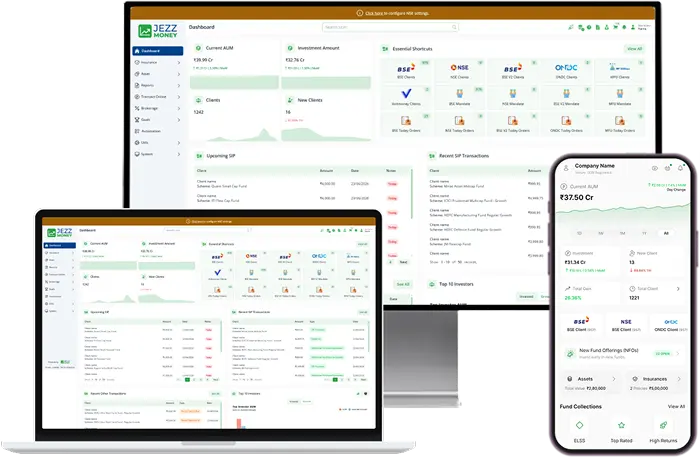
A professional website helps Mutual Fund Distributors establish their online presence, showcase their services, and connect with potential investors. JezzMoney offers website development solutions that help MFDs build a professional digital presence and deliver a user-friendly experience.

Professional Website Design for MFDs

Create a website that reflects your brand identity and presents your mutual fund distribution services clearly. A well-organized layout helps visitors understand your business and find important information easily.

Website Structure for Relevant Disclosures

Organize website pages to accommodate applicable distributor details, investor disclosures, and mutual fund risk information. This provides a practical foundation for presenting relevant information clearly and reviewing it when requirements change.

Clear Service Information and Investor Resources

Present your services, business details, and investor education content in an accessible format. Well-structured information helps visitors understand your distribution approach and find the resources they need.

Mobile-Friendly and SEO-Conscious Development

A responsive design ensures your website works across smartphones, tablets, and desktops. SEO-conscious development, clear navigation, and optimized page structure also help visitors discover and explore your website.

Secure Inquiry Forms and Easy Navigation

Straightforward navigation and secure contact forms make it easier for prospective clients to reach your business. Appropriate security and privacy measures help protect information submitted through your website.

Website Updates and Ongoing Maintenance

Regular website reviews keep business information accurate, links functional, and technical components up to date. Available maintenance services can also support ongoing improvements to website performance and usability.

Build Your MFD Website with JezzMoney

Give your mutual fund distribution business a professional online presence with a website designed around your brand, services, and investor communication needs.

Explore JezzMoney's website development services to learn how you can build a professional website for your MFD business. Ensure the final website and its content are reviewed against the regulatory requirements applicable to your activities.

Summary

A professional website is an important asset for Mutual Fund Distributors looking to build investor trust and strengthen their digital presence. Accurate disclosures, responsible financial communication, website security, and SEO-friendly design all contribute to a reliable and user-friendly online experience.

MFDs should regularly review their websites to identify outdated information, missing disclosures, technical issues, and opportunities to improve usability. Keeping website content current and aligning it with applicable SEBI regulations and AMFI guidelines supports responsible investor communication.

Looking to build or upgrade your MFD website? JezzMoney offers website development solutions designed for Mutual Fund Distributors, combining professional design, mobile responsiveness, SEO-conscious development, and website structures that accommodate relevant disclosures. Explore JezzMoney to take the next step toward building a professional digital presence for your mutual fund distribution business.

FAQs about AMFI-Compliant Website Development

What Is an AMFI-Compliant Website?

Does Every Mutual Fund Distributor Need a Website?

What Information Should an MFD Website Display?

Can MFDs Publish Mutual Fund Returns on Their Websites?

How Can MFDs Make Their Websites SEO-Friendly?

How Often Should an MFD Review Website Content for Compliance?