Home Blog Client Segmentation Strategies Mutual Fund Distributors

Client Segmentation Strategies for Mutual Fund Distributors

“Without data, you’re just another person with an opinion.”
— W. Edwards Deming

Data-driven advisory is becoming essential for mutual fund distributors in India. As investor bases grow, treating every client the same is inefficient and limits business growth. A structured client segmentation strategy helps distributors understand investor behavior, personalize engagement, and improve long-term retention.

This guide explains customer segmentation strategies specifically for Indian mutual fund distributors, including practical ways to build and implement segmentation using real investor data.

What is Client Segmentation in Mutual Fund Distribution?

Client segmentation for mutual fund distribution means dividing investors into groups that share similar financial traits, investment patterns, or goals. Instead of treating all clients the same, mutual fund distributors classify investors into segments to deliver more relevant advice, communication, and investment strategies.

Investors differ significantly in their risk appetite, investment horizon, financial objectives, and level of engagement. A well-defined segmentation strategy helps distributors identify these differences and align their advisory services with each client’s specific needs.

For example, common investor segments in the Indian mutual fund market include:

  • SIP vs. lump-sum investors, based on their preferred mode of investing
  • Retirement-focused investors, aiming for long-term wealth creation
  • Tax-saving investors, primarily investing in ELSS funds under Section 80C
  • High-net-worth investors, managing large portfolios and requiring customized strategies
  • New investors, who need guidance, education, and onboarding support

By grouping investors with similar characteristics, distributors can move beyond a one-size-fits-all advisory approach and adopt a structured, data-driven model for client engagement.

Client segmentation plays a critical role across multiple aspects of mutual fund distribution. It enables distributors to recommend portfolios aligned with investor goals and risk profiles, ensuring suitability across different client categories. It also improves communication by allowing tailored messaging for instance, educational content for new investors and performance insights for experienced clients.

Additionally, segmentation improves operational efficiency and supports revenue growth. Distributors can prioritize high-value relationships while maintaining consistent engagement with smaller investors. By understanding investor behavior and goals, segmentation also strengthens client retention. When advisory services feel personalized and relevant, investors are more likely to stay invested over the long term.

Why Customer Segmentation Strategy Matters for MFDs

With the rise in investors, mutual fund distributors face the challenge of catering to a wide range of clients with varying financial objectives, investment amounts, and levels of involvement. Implementing a well-thought-out customer segmentation policy helps MFDs not only categorize their investors effectively but also deliver advisory services in a scalable and efficient manner.

Applying the same advisory approach to every client is inefficient. Segmentation enables distributors to allocate their time, communication, and portfolio strategies based on the specific needs of different investor groups.

Better Advisory Efficiency

Different investors require varying levels of advisory support. Some clients prefer regular portfolio reviews and active guidance, while others prefer a more passive, long-term investment approach. Client segmentation allows distributors to allocate their advisory time more effectively.

For example, high-net-worth clients or investors with complex portfolios may require detailed planning and periodic reviews. In contrast, smaller SIP investors may benefit more from educational content and automated engagement.

This structured approach improves productivity and enables distributors to manage a larger client base without compromising service quality.

Improved Client Engagement

Generic, non-personalized communication often fails to engage investors. When communication is tailored to specific investor segments, it becomes more relevant and meaningful.

For instance, new or first-time investors are more likely to respond to educational content, while experienced investors may prefer portfolio insights and market updates. Segmented communication leads to higher engagement, stronger interactions, and better long-term relationships.

Higher SIP Retention

SIP continuity is essential for long-term wealth creation and stable distributor revenue. Segmentation helps identify behavioral patterns that may indicate potential SIP discontinuation.

For example, investors who show reduced engagement or stop increasing contributions may require proactive outreach. Segmentation enables timely reminders, goal-based communication, and portfolio updates that encourage disciplined investing, even during market volatility.

Revenue Optimization

Client segmentation helps distributors identify which investor groups contribute the most to overall AUM and revenue, allowing better prioritization of advisory efforts.

High-value clients may require personalized strategies and frequent reviews, while smaller investors can be served efficiently through structured communication and digital tools. This balanced approach ensures revenue growth while maintaining scalability.

Data-Driven Decision Making

Without segmentation, advisory decisions are often based on assumptions. A structured segmentation strategy enables distributors to rely on actual investor data.

Insights derived from investment behavior, portfolio size, and engagement patterns help refine advisory strategies, identify growth opportunities, and improve client engagement.

Over time, a data-driven approach leads to more consistent outcomes and stronger, long-term investor relationships.

Key Types of Client Segmentation for Mutual Fund Distributors

Effective client segmentation in mutual fund distribution relies on practical frameworks that reflect how investors differ in their financial situation, investment behaviour, and advisory needs. By applying structured segmentation models, mutual fund distributors can organize their client base into manageable groups and deliver more targeted advisory services.

Below are some of the most commonly used segmentation approaches in financial advisory.

Demographic Segmentation

Demographic segmentation groups investors based on personal and socioeconomic characteristics. These factors often influence investment capacity, risk tolerance, and long-term financial goals.

Common demographic variables include:

  • Age groups
  • Income brackets
  • Profession
  • Life stage

In the Indian mutual fund market, these characteristics can create clear investor segments such as:

  • Young salaried SIP investors, typically early in their careers and focused on long-term wealth creation
  • Mid-career wealth builders, with higher disposable income and multiple financial goals
  • Retirees seeking income, prioritizing capital preservation and regular income

Understanding demographic differences helps distributors recommend appropriate asset allocation strategies and communication styles for each group.

Investment Behaviour Segmentation

Investment behaviour segmentation focuses on how investors interact with their portfolios and investment products. This approach helps distributors understand patterns behind investment decisions.

Common behavioural segments include:

  • SIP investors, who invest regularly with a long-term focus
  • Lump-sum investors, who prefer deploying capital in larger amounts
  • Occasional investors, who invest irregularly based on opportunities or liquidity
  • Frequent portfolio rebalancers, who actively monitor and adjust their investments

By analyzing behavioural patterns, distributors can tailor their advisory approach. For example, reinforcing long-term discipline for SIP investors or providing timely insights for opportunistic lump-sum investors.

Portfolio Value Segmentation

Portfolio value segmentation categorizes clients based on their Assets Under Management (AUM). This model helps distributors allocate advisory resources efficiently.

Typical segments include:

  • High-net-worth (HNI) investors, managing large portfolios and requiring customized strategies
  • Mid-tier investors, with moderate AUM and structured investment plans
  • Entry-level investors, starting their investment journey with smaller SIPs

This segmentation allows distributors to prioritize advisory efforts while maintaining scalable engagement across all investor categories.

Goal-Based Segmentation

Goal-based segmentation groups investors based on their financial objectives rather than demographics or portfolio size. This aligns closely with modern financial planning practices.

Common investor goals include:

  • Retirement planning
  • Child education planning
  • Long-term wealth creation
  • Tax planning

By identifying the purpose behind investments, distributors can design portfolios aligned with timelines, risk tolerance, and expected outcomes.

Engagement Segmentation

Engagement segmentation focuses on how actively clients interact with their distributor and their investments. It helps identify which investors require proactive communication.

Typical engagement segments include:

  • Highly engaged clients, who frequently review portfolios and interact with advisors
  • Passive investors, who invest but rarely engage
  • Inactive investors, with minimal interaction or declining investment activity

This model is especially useful for re-engagement strategies, enabling distributors to identify clients who may need reminders, updates, or renewed communication.

Using these segmentation models together allows mutual fund distributors to build a multi-dimensional understanding of their client base. This leads to more effective advisory services, stronger client relationships, and sustainable long-term business growth.

How to Build an Effective Client Segmentation Strategy

Through a well-executed client segmentation program, mutual fund distributors gain a clearer perspective on their investor base. This enables them to deliver more relevant advisory services at scale. Instead of managing clients individually, distributors can group investors based on shared characteristics and implement structured advisory and communication strategies.

Below is a step-by-step approach to building a practical and efficient client segmentation system.

Collect Investor Data

A strong segmentation strategy begins with reliable and structured investor data. Distributors must collect accurate information to understand investment behaviour, financial capacity, and long-term objectives.

Key data points include:

  • Investment history, including transactions and fund preferences
  • SIP behaviour, such as frequency and consistency of contributions
  • Portfolio size (Assets Under Management)
  • Risk profile, indicating tolerance to market fluctuations
  • Investment goals, such as retirement, wealth creation, or tax saving

Clean and updated data is essential. Incomplete or outdated records can lead to ineffective segmentation and misaligned advisory strategies.

Identify Segmentation Variables

Once data is collected, the next step is to determine the variables that will define investor segments. These variables should directly influence advisory decisions and communication strategies.

Common segmentation variables include:

  • Assets Under Management (AUM)
  • Investment activity (e.g., SIP vs. occasional investing)
  • Risk appetite based on investor profiling
  • Investment horizon (short-term vs. long-term goals)

The objective is to select variables that clearly differentiate investor needs while avoiding excessive complexity in segmentation.

Create Practical Investor Segments

Using selected variables, distributors can create actionable investor segments. Each segment should represent a group with similar financial behaviour or goals.

Segment Characteristics Advisory Approach
New Investors Small SIP investments Focus on education and long-term discipline
Growth Investors Consistent long-term SIPs Emphasis on equity allocation and portfolio growth
HNI Clients High portfolio value Customized strategies and periodic reviews
Tax Savers ELSS-focused investments Guidance on tax planning and year-end strategies

Each segment should have a clearly defined advisory approach aligned with its specific needs.

Personalize Communication

After defining segments, distributors can create targeted communication strategies for each group. Personalized communication ensures that investors receive relevant and actionable information.

Segment Communication Strategy
New Investors Educational content and onboarding support
HNI Clients Portfolio insights and strategic updates
Passive Investors Engagement reminders and periodic check-ins
SIP Investors Reinforcement of long-term investment discipline

Tailored communication improves investor understanding and strengthens long-term relationships.

Track Segment Performance

Client segmentation should be continuously monitored and refined. Distributors must evaluate how each segment performs and interacts over time.

Key performance indicators include:

  • SIP continuation rates
  • Portfolio growth across segments
  • Client engagement levels
  • Referral generation

Regular analysis of these metrics helps refine segmentation strategies and improve advisory effectiveness. Over time, this iterative approach leads to better client management and stronger, long-term investor relationships.

Common Client Segmentation Mistakes MFDs Should Avoid

Client segmentation can significantly improve advisory efficiency and investor engagement. However, if implemented incorrectly, it may introduce unnecessary complexity and reduce its effectiveness. Mutual fund distributors should be aware of common mistakes that can weaken a segmentation strategy.

Over-Segmentation

One of the most common mistakes is creating too many client segments. While segmentation is intended to improve categorization, excessive segmentation can complicate advisory workflows.

If each segment requires a different communication style, portfolio strategy, or engagement process, managing them becomes difficult. Instead of improving efficiency, it can lead to operational challenges.

A practical segmentation model should focus on a limited number of meaningful segments that directly influence advisory decisions and client engagement.

Ignoring Investor Goals

Some segmentation strategies rely heavily on demographic data or portfolio size while overlooking investors’ actual financial goals.

In reality, investment decisions are often driven by specific objectives such as:

  • Retirement planning
  • Child education planning
  • Wealth creation
  • Tax saving

If these goals are not considered, segmentation may fail to reflect true investor needs. A strong segmentation approach should place investor goals at the core of advisory planning, ensuring portfolio recommendations align with long-term objectives.

Using Outdated Data

Investor profiles are dynamic and evolve over time. Changes in income, life stage, financial responsibilities, and risk tolerance can significantly impact investment behaviour.

If segmentation is based on outdated data, client groups may no longer represent the investor’s current situation. For example, a young investor who started with a small SIP may later become a high-value client with more complex financial goals.

Regularly updating investor data and reviewing segmentation models ensures accurate insights and relevant advisory strategies.

How Technology Helps in Customer Segmentation Strategies

Managing a growing investor base manually can quickly become inefficient for mutual fund distributors. Technology plays a crucial role in enabling scalable and data-driven client segmentation strategies. Modern advisory platforms help distributors manage investor data, analyse behaviour patterns, and create more accurate client segments.

Instead of relying on manual spreadsheets or assumptions, distributors can use technology to continuously track investor activity and update segmentation models in real time.

Automated Segmentation

Technology platforms can automatically classify investors into predefined segments based on criteria such as portfolio value, investment frequency, and financial goals.

For example, systems can automatically identify:

  • SIP investors with consistent contributions
  • High-value portfolios crossing specific AUM thresholds
  • Inactive clients who have stopped investing

Automated segmentation ensures that investor categories remain dynamic and up to date, reducing reliance on manual processes.

Behavioral Tracking

Modern investor management systems can track client behaviour over time, helping distributors understand how investors interact with their portfolios.

Key behavioural insights include:

  • Frequency of SIP investments
  • Changes in investment amounts
  • Portfolio rebalancing activity
  • Periods of inactivity or reduced engagement

These insights allow distributors to detect early warning signals such as SIP discontinuation or declining engagement and take proactive action.

Portfolio Analytics

Technology platforms offer advanced portfolio analytics tools that enable evaluation at both individual and segment levels.

Portfolio analytics can reveal:

  • Asset allocation patterns across investor segments
  • Performance comparisons between different client groups
  • Concentration risks within portfolios
  • Opportunities for portfolio rebalancing

These insights help distributors design more informed and segment-specific advisory strategies.

Engagement Insights

Technology also enables tracking of how investors interact with communication and advisory touchpoints.

Common engagement metrics include:

  • Email open rates
  • Responses to portfolio updates
  • Participation in investor education initiatives

Understanding engagement patterns helps distributors identify which segments require additional communication, education, or support.

Role of CRM and Investor Analytics Platforms

Customer Relationship Management (CRM) systems and investor analytics platforms are essential for implementing effective segmentation strategies. These tools consolidate data from multiple sources and convert it into actionable insights.

With a well-integrated platform, distributors can:

  • Maintain organized and up-to-date investor records
  • Monitor portfolio growth and investor activity
  • Automate segmentation and reporting
  • Track client engagement across multiple channels

By leveraging CRM and analytics tools, mutual fund distributors can transition from manual client management to a structured, data-driven advisory model that supports scalable and long-term business growth.

Example of a Simple Segmentation Strategy for MFDs

A practical segmentation strategy does not need to be overly complex. Many successful mutual fund distributors begin with a few clearly defined investor segments based on investment behaviour and portfolio size. This approach allows them to apply differentiated advisory and communication strategies without introducing operational complexity.

Below is a simple, real-world segmentation model that many MFDs can implement:

Segment Strategy
SIP Investors Focus communication on long-term wealth creation, market discipline, and the benefits of consistent investing. Regular reminders and goal-based updates help maintain SIP continuity.
Lump-Sum Investors Provide timely insights on market opportunities, asset allocation strategies, and potential entry points during market corrections. These investors typically respond well to strategic updates.
High AUM Investors Conduct periodic portfolio reviews, discuss diversification strategies, and provide deeper performance insights. Personalized advisory is essential for this segment.
Inactive Clients Execute reactivation campaigns through reminders, portfolio updates, and new investment opportunities to encourage renewed engagement.

This simplified framework enables mutual fund distributors to align advisory efforts with investor needs while maintaining efficient client management.

Over time, distributors can refine these segments further by incorporating additional factors such as investment goals, engagement levels, and risk profiles.

The Future of Client Segmentation in Financial Advisory

Client segmentation in financial advisory is evolving rapidly as technology and data analytics become more advanced. Traditional segmentation methods, primarily based on demographics or portfolio value, are now being complemented by data-driven approaches that provide deeper insights into investor behaviour and preferences.

In the coming years, mutual fund distributors will increasingly rely on intelligent platforms that analyse large volumes of investor data to deliver more precise segmentation and highly personalized advisory services.

AI-Driven Investor Insights

Artificial intelligence is playing an increasingly important role in understanding investor behaviour. AI-powered analytics platforms can process large datasets, including transaction history, portfolio activity, and engagement patterns, to identify trends that may not be immediately visible.

For example, AI tools can evaluate investor portfolios and suggest improvements in asset allocation, diversification, and risk exposure. These insights help distributors make more informed advisory decisions while efficiently managing a growing client base.

Predictive Churn Detection

Predictive churn detection is an emerging application of data analytics in financial advisory. By analysing behavioural indicators such as declining engagement, reduced SIP contributions, or prolonged inactivity, systems can identify clients at risk of discontinuing investments.

Early detection enables distributors to take proactive measures, including timely communication, portfolio reviews, and goal-based discussions, helping maintain SIP continuity and strengthen long-term relationships.

Automated Client Engagement

Automation is transforming how distributors interact with investors. Segmentation systems integrated with communication tools can automatically deliver relevant updates, reminders, and educational content based on investor profiles.

For example:

  • New investors receive educational content about mutual funds
  • Experienced investors receive portfolio performance updates and market insights

Automated engagement ensures consistent communication without significantly increasing operational workload.

Hyper-Personalized Advisory

As segmentation models become more sophisticated, advisory services are moving toward hyper-personalization. Instead of broad categories, platforms can build detailed investor profiles based on:

  • Financial goals
  • Risk tolerance
  • Investment behaviour
  • Life-stage changes

This enables distributors to deliver highly customized portfolio recommendations and communication strategies aligned with each investor’s financial journey.

The Role of Data Platforms in the Future of Mutual Fund Distribution

Data platforms will play a central role in shaping the future of mutual fund distribution. Integrated systems that combine CRM capabilities, portfolio analytics, and behavioural tracking will provide a comprehensive view of the investor base.

These platforms enable distributors to:

  • Continuously update investor segments using real-time data
  • Monitor portfolio performance and investor activity across segments
  • Automate communication and reporting processes
  • Identify growth opportunities within their client base

As the mutual fund industry in India continues to expand, distributors who adopt data-driven segmentation and advanced analytics tools will be better positioned to deliver scalable, personalized advisory services and build stronger long-term investor relationships.

Summary

Client segmentation is no longer optional for mutual fund distributors. As the investor base expands and financial goals become more diverse, managing every client with a uniform advisory approach becomes inefficient. A structured, data-driven segmentation strategy enables distributors to better understand their investors and deliver more relevant, need-based guidance.

By grouping clients into meaningful segments based on factors such as investment behaviour, portfolio size, and financial goals, distributors can communicate more effectively, prioritize advisory efforts, and build stronger, long-term relationships with investors.

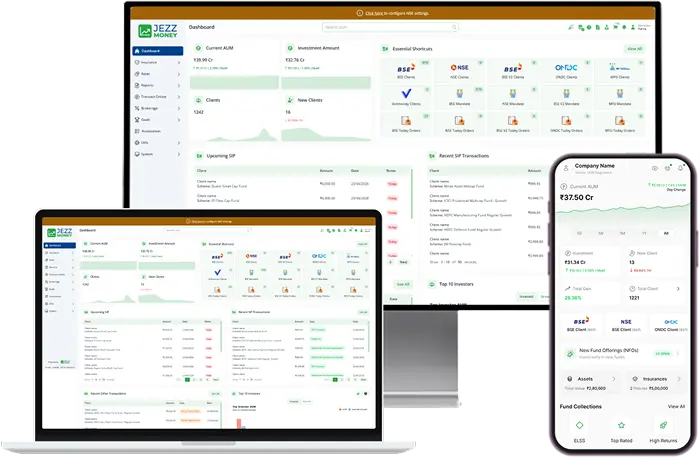
Technology significantly simplifies this process. Platforms like JezzMoney help mutual fund distributors organize investor data, track portfolio activity, and automatically identify actionable client segments.

Instead of relying on manual spreadsheets or fragmented data, distributors can leverage these tools to gain deeper insights into investor behaviour and respond more efficiently with timely and personalized advisory services.

FAQs about Client Segmentation Strategies

What is client segmentation in mutual fund distribution?
Why is client segmentation important for MFDs?
How can mutual fund distributors create client segments?
How does client segmentation help improve SIP retention?
How can technology help with client segmentation?
How does JezzMoney help with client segmentation?