The role of technology in mutual fund distribution has gradually become indispensable. With changes in investor expectations, MFDs require advanced systems that can not only assist in managing communications and tracking investor behavior but can also help them deliver a highly personalized investment experience. Besides enhancing efficiency, technology plays a vital role in enabling MFDs to establish long-term relationships with clients and keep the SIP discontinuation rate low. By adopting automation, data tracking, and engagement tools, MFDs can change from being reactive (only after the investors have decided to stop their SIPs) to proactive. Effective communication, regular follow-ups, and personalized insights delivered through technology will increase investor satisfaction and retention over time.
CRM and Automation Tools
Customer Relationship Management (CRM) platforms serve multiple purposes for MFDs, from organizing investor data to managing all investor interactions to maintaining steady client communication. A properly set-up CRM system will, for example, help advisors keep track of investor choices, financial targets, portfolio information, and records of communications in an integrated manner.
Automation tools can handle repetitive tasks, such as issuing follow-up reminders, sending SIP alerts and birthday wishes, organizing portfolio review sessions, and distributing educational materials. This enables MFDs to keep interacting with investors regularly without adding to the manual workload.
Thanks to automated workflows, MFDs will be able to detect and act on cases where investors feel neglected or disconnected, especially during major market events. Technology-facilitated ongoing communication significantly increases trust and extends client retention.
SIP Reminder Systems
Many SIP discontinuations result from missed payments, lack of reminders, or lower investor engagement. SIP reminder systems prevent investors from deviating at times by notifying them well before SIP deduction dates, mandate expirations, or transactions that still need to be completed.
With automated reminders via SMS, WhatsApp, email, or mobile apps, investors can be encouraged not to skip their investment schedules. Besides, these reminders serve as a safety net in case of unintentional SIP failures due to insufficient account balance or inactive mandate.
Besides reminding investors about the payment, MFDs can leverage these systems to disseminate investment motivation, market insights, and the benefits of long-term wealth accumulation, thus keeping investors on the right track toward their financial aspirations.
Client Engagement Dashboards
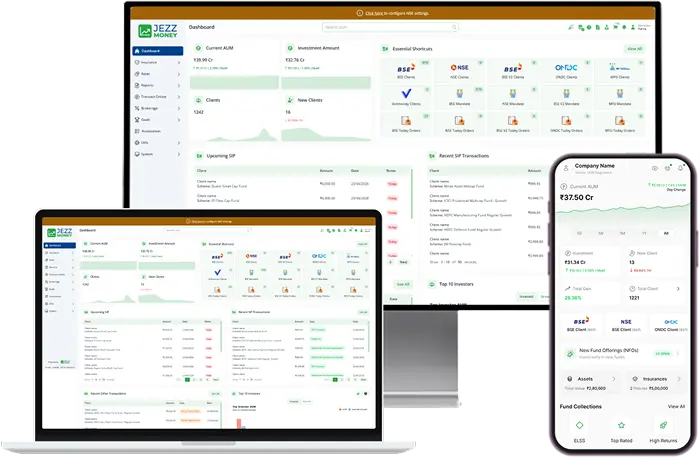
Client engagement dashboards reveal investors' financial paths in a lucid and trustworthy manner. Such dashboards can show portfolio returns, SIP investments, target achievement, asset distribution, profits, and milestone tracking through clear and visually appealing charts.
Investors tend to align themselves better with their investments and, thus, sustain their SIPs regularly when it is not challenging for them to measure their progress. Openness and ease of access bolster investor confidence and alleviate doubt, even during market upheaval.
For MFDs, these dashboards are also a wonderful way to have safe, relevant client conversations during check-ins and planning conferences. Charts and graphs make discussing potential yields and adherence to the investment plan simpler.
Data Analytics to Identify At-Risk Investors
Data analytics can help MFDs identify investors at risk of discontinuing their SIPs. By analyzing investor behavior patterns such as reduced engagement, missed SIP payments, lower login activity, or sudden portfolio concerns, MFDs can proactively intervene before cancellations happen.
Predictive insights allow advisors to prioritize communication with investors who may require additional support or reassurance during market volatility. Early identification of risk factors helps MFDs take preventive action through personalized conversations, portfolio reviews, or investment guidance.
Technology-driven analytics also help MFDs understand broader trends in investor behavior, improve retention strategies, and deliver more personalized advisory services over time.
Common Mistakes MFDs Should Avoid
While attracting new investors is important, retaining existing SIP investors requires consistent effort, trust-building, and responsible advisory practices. Many SIP discontinuations occur not only because of market conditions but also because of avoidable communication and relationship-management mistakes by advisors.
MFDs who focus only on selling products without building long-term investor confidence may struggle with higher SIP drop-off rates. Avoiding common advisory mistakes can significantly improve investor trust, strengthen client relationships, and encourage long-term investment discipline.
Overpromising Returns
One of the biggest mistakes MFDs can make is setting unrealistic return expectations. In an effort to attract clients, some advisors may highlight only positive market scenarios or promise high returns within a short time frame.
When actual market performance does not match these expectations, investors often become disappointed and lose confidence in SIP investing. This frustration can eventually lead to discontinuation of SIP.
MFDs should always present realistic return expectations based on long-term market behavior and risk factors. Transparent communication builds credibility and helps investors stay emotionally prepared during market fluctuations.
Ignoring clients during market falls.
Investor anxiety is bound to increase when the market keeps falling and during volatile periods. If advisors decide to keep their silence during these periods, clients might feel completely lost, with no one to support them, and become unsure about their investments to a great extent.
Investors often decide on panic-driven measures such as halting SIPs or prematurely redeeming investments after they encounter no communication from the advisors during market falls.
Mutual Fund Distributors should not wait until investors are in a panic, but should reach out to them during volatile market phases with messages of reassurance, explanations of the markets, and guidance from a long-term perspective. Regular communication during tough times only builds trust and shows investors the firm's dedication to them.
Lack of regular follow-ups
The majority of advisors state that they communicate well and actively during the onboarding process, but that their level of engagement is reduced afterward. Not following up is one of the things that really threatens to hurt, or even break, client relationships, as, over time, investors may feel disconnected from their financial objectives.
Doing things like regular portfolio reviews, discussing goals, and giving investment updates are only some of the ways one can maintain the confidence and well-being of investors. Follow-ups also play a key role in engaging clients in dialogue and, in turn, preventing grievances that might lead to the cancellation of SIPs.
Regular contact with clients and good communication show them that their advisor is not just being there but is really supporting their financial means and wants to be with them all the way through the process of achieving success.
Using Complex Financial Jargon
Complicated financial terminology can confuse investors and create communication gaps. Many investors may hesitate to ask questions when they do not fully understand investment concepts, which can increase uncertainty and fear during market volatility.
MFDs should focus on explaining investment concepts in simple, practical, and easy-to-understand language. Clear communication helps investors make informed decisions and improves overall confidence in SIP investing.
Simplifying topics such as market corrections, compounding, asset allocation, and risk management makes financial planning more approachable for clients.
Focusing Only on New Client Acquisition
Some MFDs prioritize acquiring new investors while paying less attention to existing clients. Although business expansion is important, neglecting current investors can increase SIP drop-off rates and weaken long-term business stability.
Existing clients often contribute more long-term value through continued investments, referrals, and deeper financial relationships. Retaining investors is generally more cost-effective than constantly acquiring new clients.
Successful MFDs maintain a balanced approach by focusing equally on investor retention, relationship-building, and new-client acquisition. Strong post-investment support plays a major role in improving SIP continuation rates and overall business growth.