Home Blog Referral System For Financial Advisory Business

Referral System for Financial Advisory Business

In the financial advisory business, trust is not just important; it is the foundation of every client relationship. Unlike transactional industries, investors do not choose an advisor based solely on pricing or features. They rely on credibility, reputation, and proven outcomes. This is why referrals consistently emerge as the most powerful source of high-quality clients.

From a cost-versus-return perspective, referrals outperform almost every other acquisition channel. Paid marketing requires continuous spending and often brings in low-intent leads. In contrast, referral clients come pre-qualified, with built-in trust, shorter conversion cycles, and higher lifetime value. The economics are straightforward: lower acquisition cost, higher conversion rate, and stronger retention.

Most financial advisors still rely on passive referrals. They wait for satisfied clients to “spread the word,” without any structured effort to encourage or scale this behavior. This leads to unpredictable growth, inconsistent lead flow, and missed opportunities.

The real shift happens when referrals move from accidental to systematic. Instead of hoping for introductions, successful advisors design a process that consistently generates, tracks, and converts referrals into clients. To understand how to achieve this, it is essential to break down what a structured referral system actually looks like.

What Is a Referral System in Financial Advisory?

A referral system in financial advisory is a structured and repeatable process designed to consistently generate, track, and convert client referrals into new business. Instead of relying on occasional word-of-mouth, it transforms referrals into a predictable acquisition channel backed by defined workflows, technology, and measurable outcomes.

At its core, a referral system ensures that every satisfied client has a clear pathway to recommend your services, and every referral is systematically captured, nurtured, and converted.

Random Referrals vs Engineered Referral Funnel

Most advisors experience referrals in an unstructured way; clients occasionally recommend them during casual conversations. While these referrals are valuable, they are inconsistent and difficult to scale.

An engineered referral funnel, on the other hand, is intentional. It defines when to ask for referrals, how to make it easy for clients to share referrals, and how to track and follow up on each lead. This shifts referrals from unpredictable events to a controlled and scalable growth mechanism.

1. Trigger

A trigger is the moment when you ask for a referral. This is typically aligned with positive client experiences, such as portfolio growth, goal achievement, or successful onboarding. Timing is critical; asking at the right moment significantly increases response rates.

2. Incentive

An incentive motivates clients to refer others. This can be monetary (such as rewards or vouchers) or non-monetary (exclusive insights, premium services, or recognition). While optional, incentives can accelerate referral activity when aligned with compliance guidelines.

3. Tracking

Tracking ensures that every referral is recorded and monitored. A proper system captures who referred whom, the lead's status, and the conversion outcome. Without tracking, referrals can be lost, and performance cannot be measured or optimized.

4. Follow-up

Follow-up is where most conversions happen. A structured system includes timely communication, personalized outreach, and consistent nurturing of referred leads. Speed and relevance in follow-up directly impact conversion rates.

A well-designed referral system integrates all these components into a seamless process, enabling financial advisors to build a steady and scalable pipeline of high-quality clients.

Why Most Financial Advisors Fail to Generate Consistent Referrals

Despite the clear advantages of referral-driven growth, most financial advisors struggle to consistently generate referrals. The issue is rarely client satisfaction; it is the absence of a structured system that converts satisfaction into action.

No System Leads to Dependency on Luck

Many advisors rely on informal, word-of-mouth referrals without any defined process. As a result, referrals happen sporadically and cannot be forecasted or scaled. Growth becomes dependent on chance rather than strategy, leading to inconsistent lead flow and missed opportunities.

Poor Client Engagement

Referrals are a byproduct of strong client relationships. When engagement is limited to transactional interactions, such as periodic investment updates, clients are less likely to recommend the advisor. Without continuous communication, value reinforcement, and emotional connection, even satisfied clients remain passive.

No Follow-Up Mechanism

A significant number of referrals are lost due to delayed or inconsistent follow-ups. When a referred lead is not contacted promptly or nurtured effectively, trust weakens, and conversion probability declines. Advisors who lack a structured follow-up system fail to capitalize on warm introductions.

Lack of Digital Infrastructure

In the absence of CRM systems, automation tools, and tracking mechanisms, referrals are difficult to manage at scale. Advisors often rely on manual tracking or memory, leading to missed leads, limited visibility, and no performance insights. This limits the ability to optimize and grow the referral pipeline.

Insight: Automation and Engagement Drive Referral Flow

Consistent referrals are not a result of chance; they are the outcome of deliberate systems. Advisors who combine strong client engagement with automated processes create a steady referral engine. Automation ensures timely communication and follow-ups, while engagement builds the trust required for clients to refer actively. Together, they transform referrals from an occasional occurrence into a reliable growth channel.

Core Elements of a High-Converting Referral System

A high-performing referral system is not built on a single tactic; it is the result of multiple interconnected elements. Each component ensures that referrals are not only generated but also efficiently converted into long-term clients.

Client Experience First (Foundation Layer)

The foundation of any referral system is the client experience. Without a strong and consistent experience, no strategy or incentive can sustainably drive referrals.

  • Portfolio transparency builds trust by giving clients complete visibility into their investments.
  • Regular updates keep clients informed and reinforce the value of your advisor services.
  • Goal tracking aligns investments with outcomes, making progress tangible.

When clients clearly see value and progress, they are naturally more inclined to recommend your services. Platforms that provide real-time portfolio insights and intuitive dashboards further strengthen this experience by making financial information accessible and engaging.

Trigger-Based Referral Asking

Timing plays a critical role in referral success. Asking for referrals at the right moment significantly increases the likelihood of action.

Effective trigger points include:

  • After visible portfolio gains or positive performance updates
  • When a client achieves a financial milestone or goal
  • During positive feedback moments, such as appreciation or satisfaction calls

A structured system identifies these moments and proactively prompts referral requests, rather than leaving it to chance.

Incentive Structures (Optional but Powerful)

While referrals are primarily driven by trust, incentives can accelerate participation when used correctly.

  • Monetary incentives: cashback, vouchers, or rewards
  • Non-monetary incentives: exclusive insights, premium advisory access, or recognition
  • Compliance awareness: any incentive model must align with regulatory frameworks, including SEBI guidelines

Incentives should enhance, not replace, the underlying trust relationship. The focus must remain on value-driven referrals.

Seamless Sharing Mechanism

Even satisfied clients may not refer if the process is complicated. A frictionless sharing system is essential.

  • WhatsApp referral links enable quick and natural sharing
  • Pre-designed email templates simplify communication
  • One-click sharing systems remove effort and hesitation

Automation ensures that referral prompts, links, and messages are delivered consistently without manual intervention, increasing overall participation rates.

Referral Tracking and Conversion System

Generating referrals is only half the process; conversion depends on structured tracking and follow-up.

  • A lead tracking dashboard captures every referral in one place
  • A defined status funnel (Referred → Contacted → Converted) ensures visibility at every stage
  • CRM integration enables systematic follow-ups, reminders, and lead nurturing

Without tracking, referrals become unmanageable, and performance cannot be optimized. A robust system ensures no opportunity is lost and continuously improves conversion efficiency.

A high-converting referral system integrates these elements into a cohesive framework, transforming referrals into a predictable, scalable growth channel for financial advisors.

How Technology Enables a Scalable Referral Engine

A referral system becomes truly scalable only when the right technology supports it. Manual processes limit speed, consistency, and visibility, whereas digital infrastructure enables advisors to manage referrals efficiently and grow without operational bottlenecks.

Automation of Communication

Consistent communication is essential for both client engagement and referral generation. Technology allows advisors to automate interactions without losing personalization.

  • WhatsApp reminders keep clients informed about portfolio updates, SIPs, and important actions.
  • Email campaigns help nurture relationships through insights, reports, and value-driven content.
  • Investor updates reinforce trust by maintaining regular touchpoints

Automation ensures that communication happens at the right time, every time, increasing engagement and creating more opportunities to trigger referrals.

Centralized Client Data

A scalable referral engine relies on data-driven decision-making. Centralized systems allow advisors to understand client behavior and identify referral opportunities more effectively.

  • Behavior tracking reveals how clients interact with portfolios and communications.
  • Investment patterns help identify satisfied, high-value clients who are more likely to refer.
  • Engagement scoring prioritizes clients based on activity and relationship strength.

With structured data, advisors can move from generic outreach to targeted referral strategies, improving both efficiency and conversion rates.

White-Label Branding

Trust is a critical factor in financial advisory, and branding plays a key role in establishing credibility. Technology enables advisors to operate under their own professional identity.

  • Build trust under your own brand by offering a consistent and personalized client experience.
  • Professional digital presence through branded apps, dashboards, and communication channels

White-label platforms allow advisors to present themselves as full-service professionals, enhancing client confidence and increasing the likelihood of referrals.

When automation, data, and branding are combined, technology transforms referrals from a manual process into a scalable engine that generates consistent, high-quality client inflow.

How JezzMoney Powers Referral Growth for Advisors

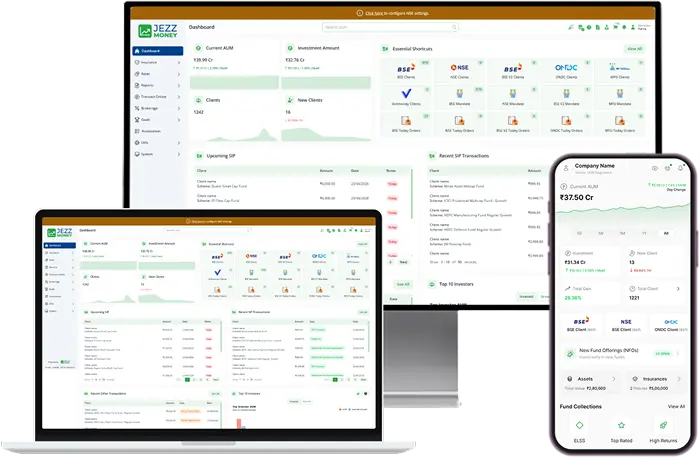
A referral system becomes significantly more effective when an integrated platform supports it. JezzMoney enables financial advisors to operationalize referrals by combining incentives, automation, client engagement, and seamless onboarding into a single ecosystem.

Built-In Invite and Earn Referral Model

JezzMoney offers a structured Invite-and-Earn framework that transforms referrals into a scalable growth channel.

  • A reward-based partner system encourages clients and partners to actively refer new investors.
  • Multi-level growth incentives create a compounding effect, where referrals generate further referrals.

This approach shifts referrals from passive word-of-mouth to an incentivized and trackable growth mechanism.

Lead Management System

Effective referral conversion depends on visibility and follow-through. JezzMoney provides a dedicated lead management infrastructure.

  • Track every referral from source to conversion
  • Conversion tracking provides clear insights into performance and bottlenecks

This eliminates manual gaps and ensures that no referral opportunity is lost.

Client Engagement Tools

Consistent engagement is critical for generating referrals. JezzMoney strengthens client relationships through integrated tools.

  • Portfolio dashboards offer real-time visibility into investments
  • Alerts and reminders keep clients informed and engaged
  • Financial calculators help clients make informed decisions and see value in advisory services
  • Birthday and anniversary wishing mails

Stronger engagement directly increases client satisfaction, which in turn drives higher referral intent.

Digital Onboarding for Faster Conversion

A smooth onboarding experience significantly improves referral conversion rates. JezzMoney simplifies the entire process.

  • Paperless KYC reduces friction and speeds up client onboarding
  • Instant investment execution enables quick action after initial interest

By minimizing delays and complexity, referred leads are more likely to convert into active clients.

By integrating referral incentives, lead management, engagement tools, and digital onboarding, JezzMoney enables advisors to build a structured, scalable, and conversion-focused referral engine.

Step-by-Step: Build Your Referral System (Action Plan)

Building a referral system requires a structured execution approach. The goal is to move from informal referrals to a predictable and optimized pipeline.

Step 1: Identify Happy Clients

Your best referral sources are clients who already trust you and have experienced tangible value.

  • High AUM clients who see consistent portfolio performance
  • Long-term investors with strong relationship depth

These clients are more likely to refer because they have both confidence and credibility when recommending your services.

Step 2: Create a Referral Script

Most advisors fail to ask for referrals simply because they lack a clear framework. A simple, natural script removes hesitation.

  • Keep the ask direct but conversational.
  • Focus on helping, not selling.

Example:


“If you know someone who might need guidance with their investments, I’d be happy to help them the same way I’ve helped you.”

This approach makes the referral feel organic rather than transactional.

Step 3: Enable Easy Sharing

Even willing clients may not refer if the process is inconvenient. Reduce friction as much as possible.

  • Provide WhatsApp referral links for instant sharing
  • Create dedicated referral landing pages with clear value propositions

The easier it is to share, the higher the participation rate.

Step 4: Automate Follow-Ups

Speed and consistency in follow-up directly impact conversion rates.

  • Use CRM or advisory platforms to automate lead nurturing
  • Set up reminders, follow-up sequences, and status updates

Automation ensures that every referral is engaged promptly without manual dependency.

Step 5: Track and Optimize

A referral system must be continuously measured and improved.

  • Monitor conversion rate from referral to client
  • Track referral-to-client ratio to assess efficiency

Analyzing these metrics helps identify gaps, improve processes, and scale the system effectively over time.

When executed correctly, this step-by-step framework transforms referrals into a consistent, measurable, and high-converting growth engine for your advisory business.

Metrics to Measure Referral Success

A referral system without measurement cannot be optimized. Tracking the right metrics allows financial advisors to evaluate performance, identify bottlenecks, and improve conversion efficiency over time.

Referral Conversion Rate

This measures the percentage of referred leads that convert into paying clients.


Formula: (Converted Clients ÷ Total Referrals) × 100
  • Indicates the quality of referrals and effectiveness of your follow-up process
  • A high conversion rate typically reflects strong trust transfer and efficient lead handling

Cost per Acquisition (CPA)

CPA evaluates the cost of acquiring a new client through referrals.

  • Includes incentives, tools, and operational costs
  • Compared to paid channels, referral CPA is usually significantly lower

Monitoring CPA helps ensure that your referral system remains cost-efficient as it scales.

Client Lifetime Value (CLV)

CLV measures the total revenue generated from a client over the entire relationship.

  • Referral clients often have higher retention and larger ticket sizes
  • A higher CLV justifies increased investment in referral systems and incentives

This metric is critical for understanding long-term profitability.

Referral Contribution to AUM

This metric tracks the percentage of your total Assets Under Management (AUM) from referrals.


Formula: (AUM from Referral Clients ÷ Total AUM) × 100
  • Reflects the impact of referrals on overall business growth
  • A rising contribution indicates that your referral engine is becoming a primary driver of growth

By consistently monitoring these metrics, advisors can move from a reactive approach to a data-driven strategy, continuously refining their referral system to maximize growth and efficiency.

Common Mistakes to Avoid

Even with a well-designed referral strategy, certain execution gaps can significantly reduce effectiveness. Avoiding these common mistakes is critical to maintaining a consistent and high-converting referral pipeline.

Asking Too Early

Timing is a key determinant of referral success. Asking for referrals before the client has experienced clear value can feel premature and reduce trust.

  • Clients need to see results or progress before recommending you
  • Early requests often lead to low response rates or hesitation

Referral requests should be aligned with positive moments such as portfolio growth, milestone achievement, or strong engagement feedback.

No System to Track Referrals

Without a tracking mechanism, referrals become unstructured and difficult to manage.

  • Leads may be missed, duplicated, or forgotten
  • No visibility into conversion rates or performance metrics

A proper system ensures that every referral is recorded, tracked through stages, and analyzed for optimization.

Poor Onboarding Experience

Even high-quality referrals can fail to convert if the onboarding process is slow or complicated.

  • Lengthy paperwork and delays reduce client interest
  • Lack of clarity or guidance creates friction during the initial experience

A smooth, fast, and professional onboarding process is essential to convert referred leads into active clients.

Ignoring Follow-Ups

Referrals require timely and structured follow-up to convert effectively.

  • Delayed responses weaken the trust established by the referrer
  • Inconsistent communication leads to drop-offs and lost opportunities

A defined follow-up system with reminders and automated touchpoints ensures that every referral is nurtured properly.

Avoiding these mistakes ensures that your referral system operates efficiently, maximizes conversions, and delivers consistent growth for your advisory business.

Future of Referral Systems in Financial Advisory

Referral systems in financial advisory are evolving from manual, relationship-driven processes into intelligent, technology-led growth engines. The future will be defined by data, automation, and platform ecosystems that make referrals more predictable, scalable, and personalized.

AI-Driven Client Insights

Artificial intelligence will play a central role in identifying referral opportunities.

  • Analyze client behavior, portfolio performance, and engagement patterns
  • Predict which clients are most likely to refer
  • Identify the optimal timing to trigger referral requests

This shifts referral generation from intuition-based decisions to data-driven precision.

Hyper-Personalized Engagement

Highly personalized interactions will replace generic communication.

  • Tailored messages based on client goals, investment journey, and preferences
  • Contextual communication aligned with life events and financial milestones
  • Customized referral prompts that feel natural and relevant

Personalization strengthens relationships, increasing both client satisfaction and referral intent.

Automated Referral Nudges

Future systems will proactively prompt referrals without manual intervention.

  • Automated triggers after portfolio gains or milestone achievements
  • Smart reminders based on client engagement levels
  • Behavioral nudges delivered through WhatsApp, apps, and email

These nudges ensure that referral opportunities are consistently captured at the right moment.

Platform-Based Ecosystems

Referral systems will increasingly operate within integrated digital platforms.

  • Unified systems combining CRM, portfolio management, communication, and referrals
  • Seamless data flow across client onboarding, engagement, and lead tracking
  • Ecosystem-driven growth where advisors, clients, and partners are interconnected

Platforms like JezzMoney represent this shift by enabling advisors to manage the entire referral lifecycle within a single, scalable infrastructure.

As these trends converge, referral systems will become more automated, intelligent, and outcome-driven, transforming referrals into a primary and highly predictable growth channel for financial advisory businesses.

Summary

Referrals are one of the most scalable and cost-efficient growth channels for financial advisors. They attract high-quality clients with built-in trust, lower acquisition costs, and higher long-term value than traditional marketing methods.

Consistent results do not come from chance. A well-defined system, supported by the right technology, transforms referrals into a predictable and measurable pipeline. When combined with strong client experience, timely engagement, and automation, referrals evolve from occasional outcomes into a reliable engine for business growth.

The opportunity is clear: advisors who systemize and digitize their referral approach will outperform those who rely on passive word-of-mouth. Start building your referral engine with JezzMoney and turn your existing clients into a powerful source of continuous growth.

FAQs about Referral Systems

What is a referral system in financial advisory?

Why are referrals important for financial advisors?

How can financial advisors consistently get more referrals?

When is the best time to ask for a referral?

How do you track referrals effectively?

What tools can help automate a referral system?

What is a good referral conversion rate in financial advisory?

What are the biggest mistakes in referral systems?

Can digital platforms improve referral generation?