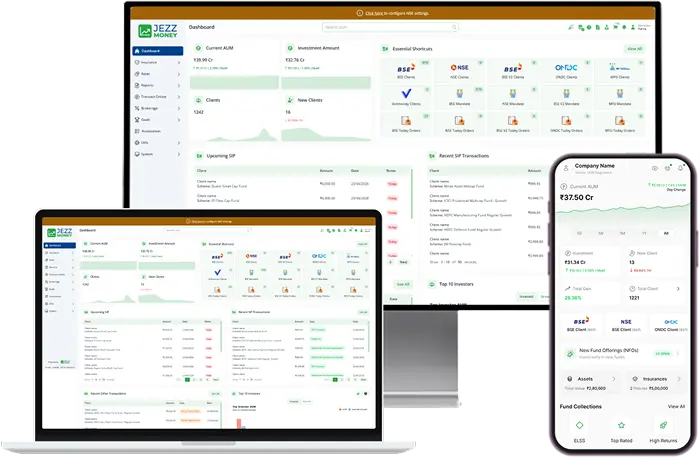



Over the past decade, fintech platforms have fundamentally transformed how Indians invest. What once required physical paperwork, reliance on distributors, and multiple follow-ups has now been reduced to a few taps in a mobile app. From mutual fund SIPs to portfolio tracking, everything is accessible through a single digital interface.
This shift has been driven by the rapid growth of mobile-first fintech apps, improved digital infrastructure (Aadhaar, UPI, eKYC), and increasing financial awareness among retail investors. Platforms have removed traditional friction points; onboarding is faster, transactions are seamless, and monitoring investments is real-time.
As a result, investing is no longer perceived as complex or exclusive. It has become convenient, standardized, and accessible to a much wider audience, especially first-time investors.
However, this adoption is largely driven by convenience. Most users prioritize ease of use, quick setup, clean dashboards, and automated SIPs without fully understanding how these platforms are structured or where control actually lies. This convenience-first approach sets the stage for deeper structural issues that are often overlooked.